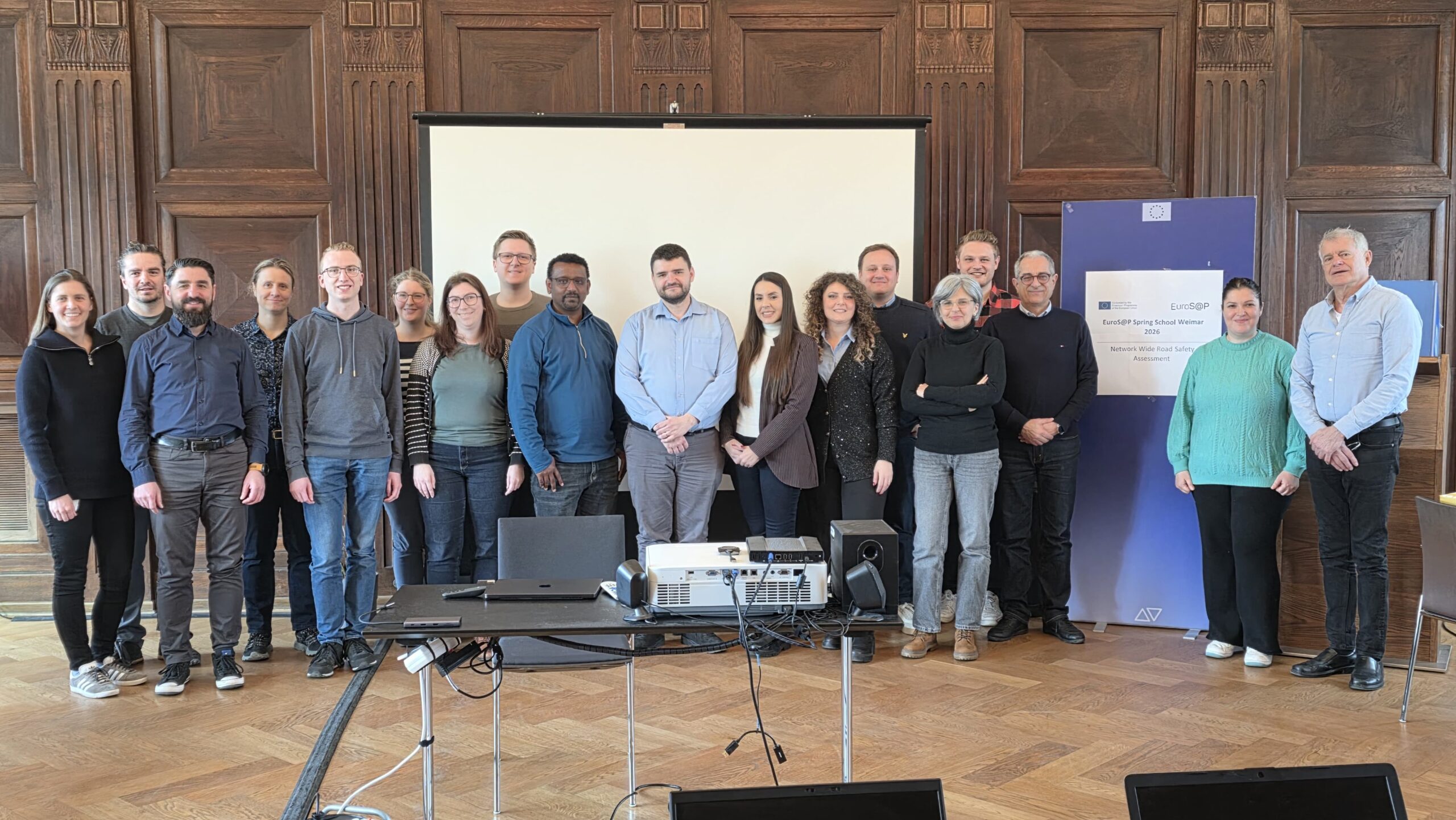
EuroS@P Summer School 2026 25.03.2026-27.03.2026
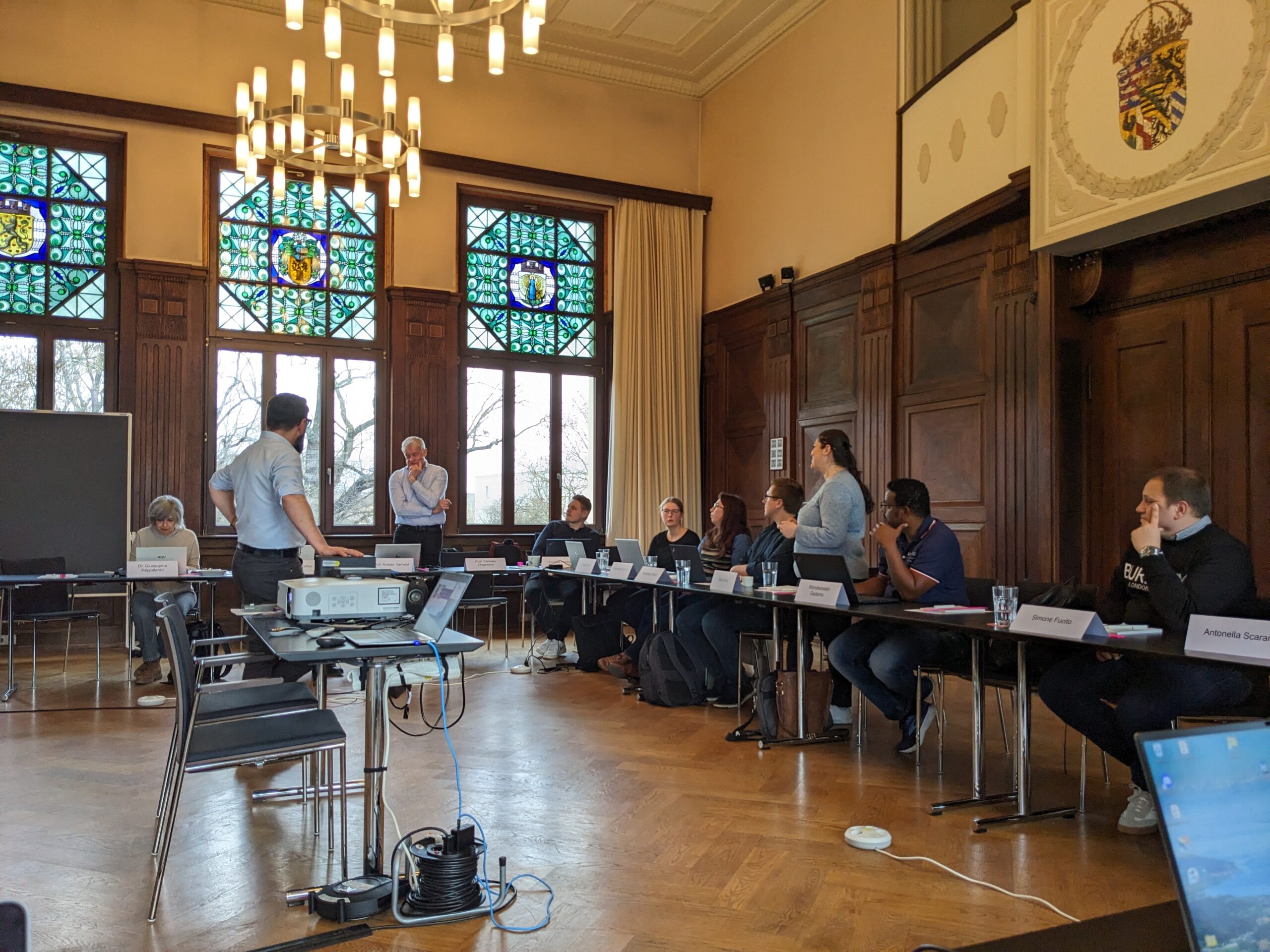
During the recent workshops in Weimar, participants had the opportunity to delve into the topic of modern road safety management methods. The session centered on the concept of Network-Wide Road Safety Assessments (NWRSA)
The classes were conducted based on the full Kolb learning cycle, which allowed for a smooth transition from analyzing the problem to understanding the limitations of current tools and the need for a network-wide approach
The following topics were discussed during the workshops:
-
The assumptions of Sweden’s “Vision Zero” and current road accident statistics and analyses in Europe
-
The differences between a traditional reactive approach (“black spot” analysis) and a modern proactive approach (network screening)
-
The strengths and weaknesses of known road safety management tools (RISM)
-
The role of network-level risk indicators, including indexes such as the Safety Index (SI) and Global SI (GSI)
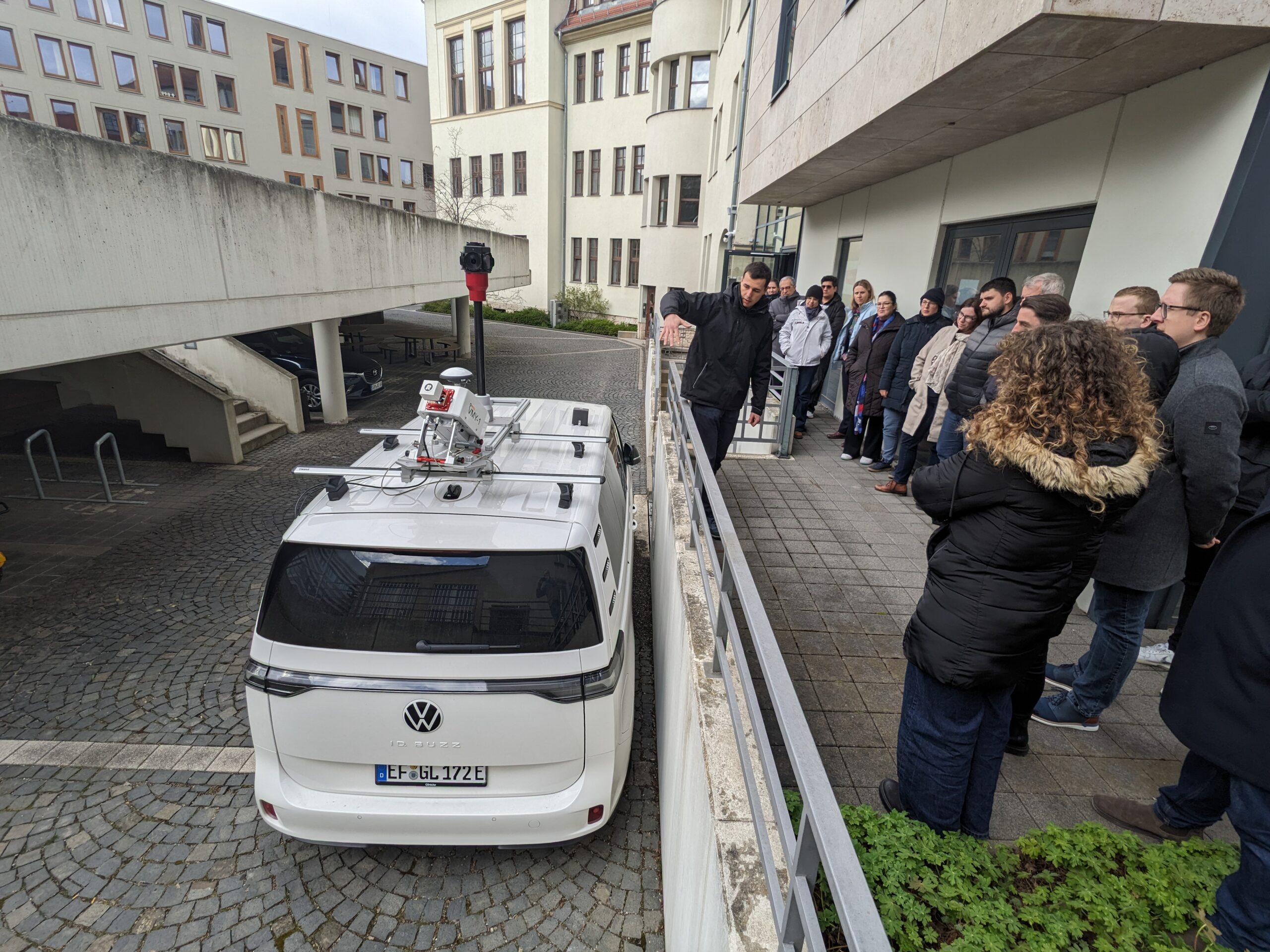
Practical workshops were an integral part of the training
The event concluded with an important realization: historical accident data analysis provides only part of the picture, which is why it is crucial to implement proactive methods that assess risk before traffic incidents occur